



Every family
deserves a
fighting chance
Every year, thousands of families in Santa Clara County risk losing their children to the foster care system. DAC fights to keep them together.
HOW WE HELP
Families in the child welfare system are navigating something no one should have to face alone.
DAC protects parents' legal rights and helps them work on their circumstances at the same time to make the family whole again.
DAC provides:

Social workers providing clinical expertise

Attorneys providing free legal representation
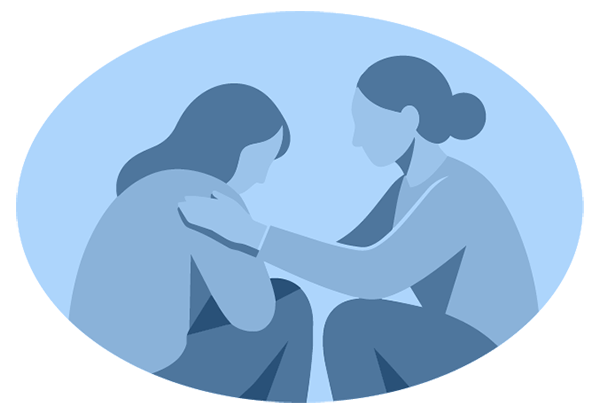
Mentor Parents that have lived experience in the child welfare system.
When a child is removed from their home, they don't understand court orders or case plans. They just know they can't go home.
In Santa Clara County, this happens to thousands of families every year, and Black and Latino families are disproportionately represented in that number. 80% of youth in foster care develop mental health challenges. The longer they stay, the worse the outcomes: homelessness, incarceration, a lifetime of instability.
Our impact since 2008:
-
10K+
parents & children served through family defense cases
-
500+
individuals assisted via warm line calling
-
500+
community members reached out to, via Know Your Rights
STORIES OF REUNIFICATION
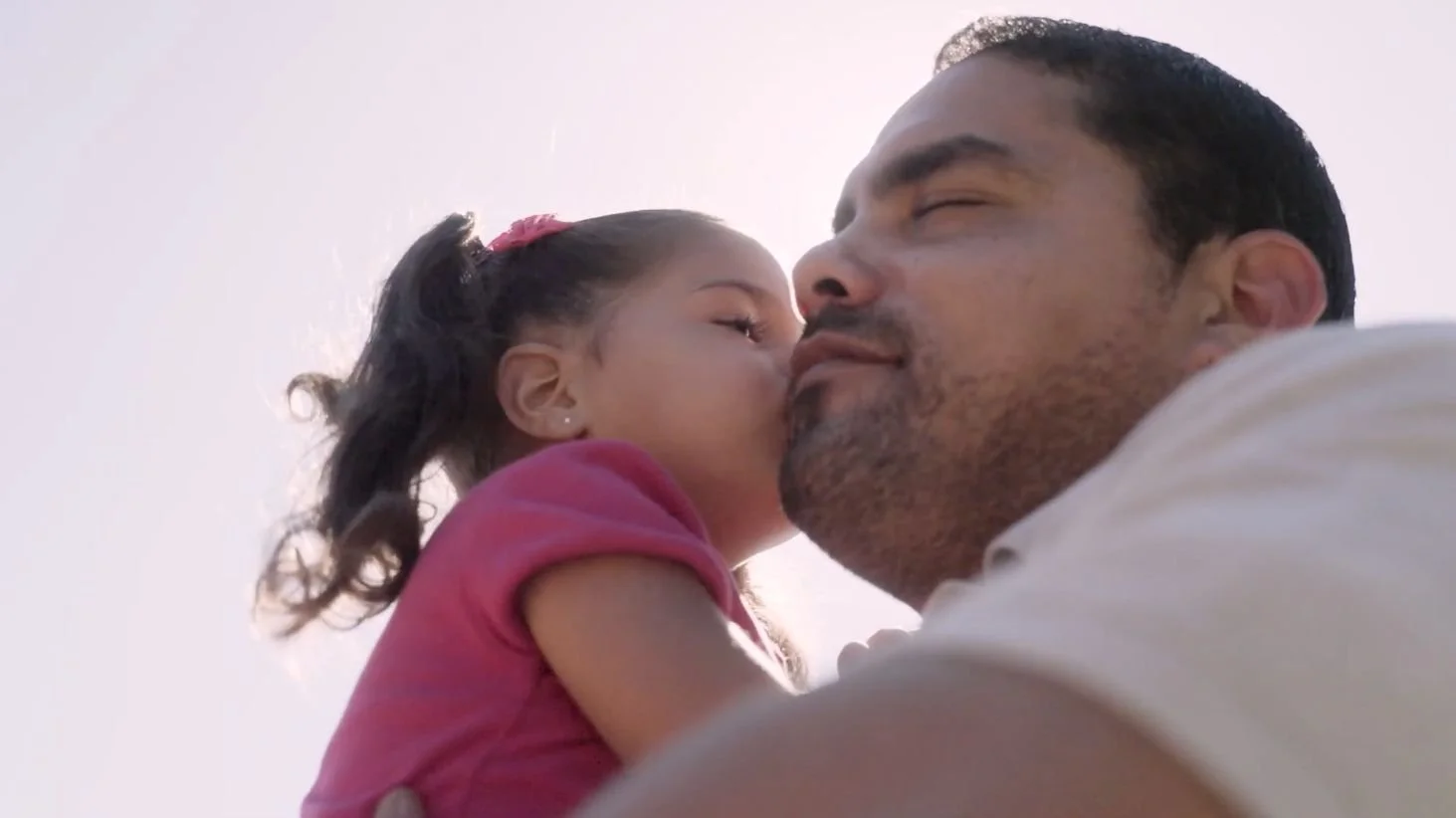
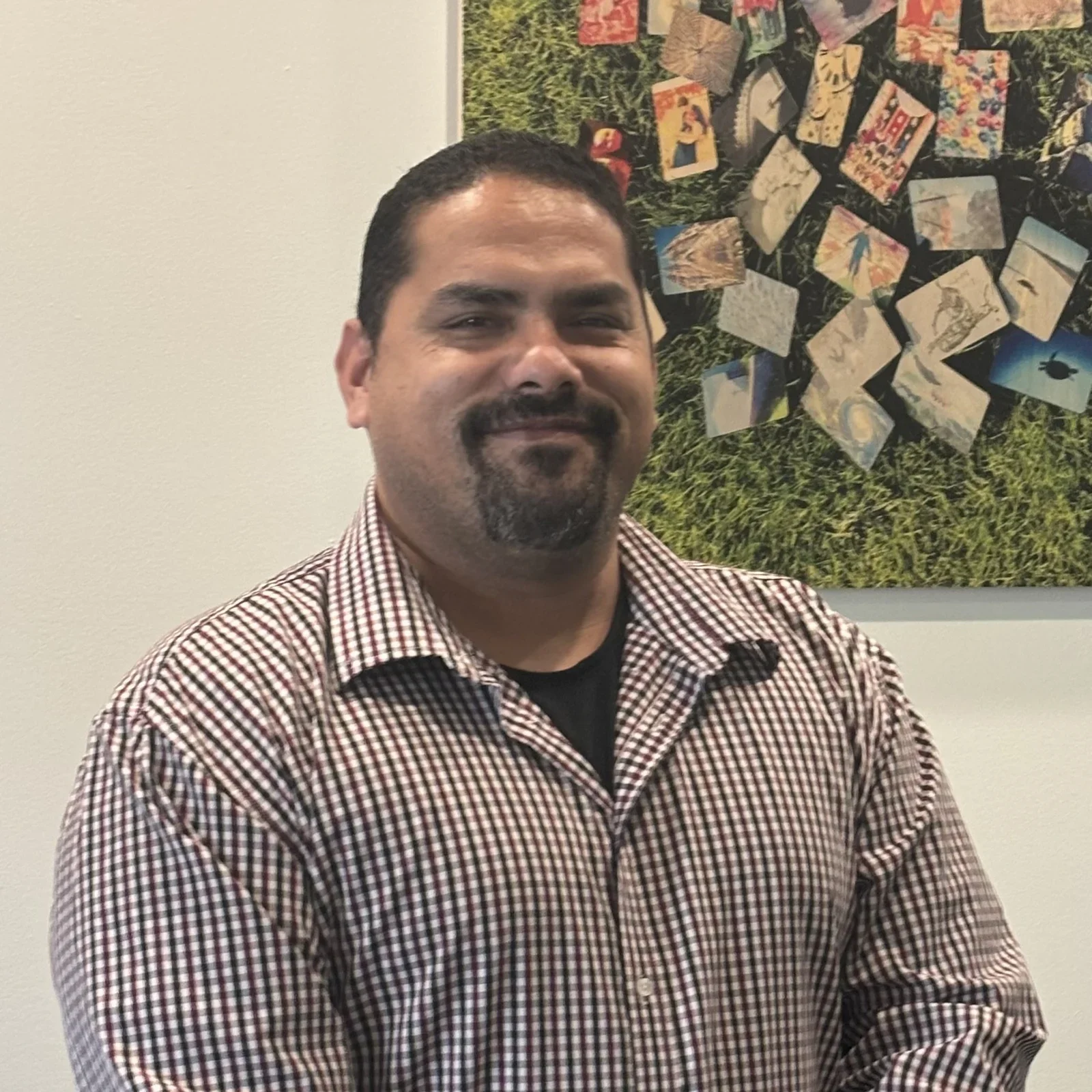
“My life's amazing. I have my children at home. I have a wonderful job where I get to give back what was given to me to help people that are going through that struggle, that they can overcome everything, and that they are not alone.”
Gildardo
Mentor Parent at DAC
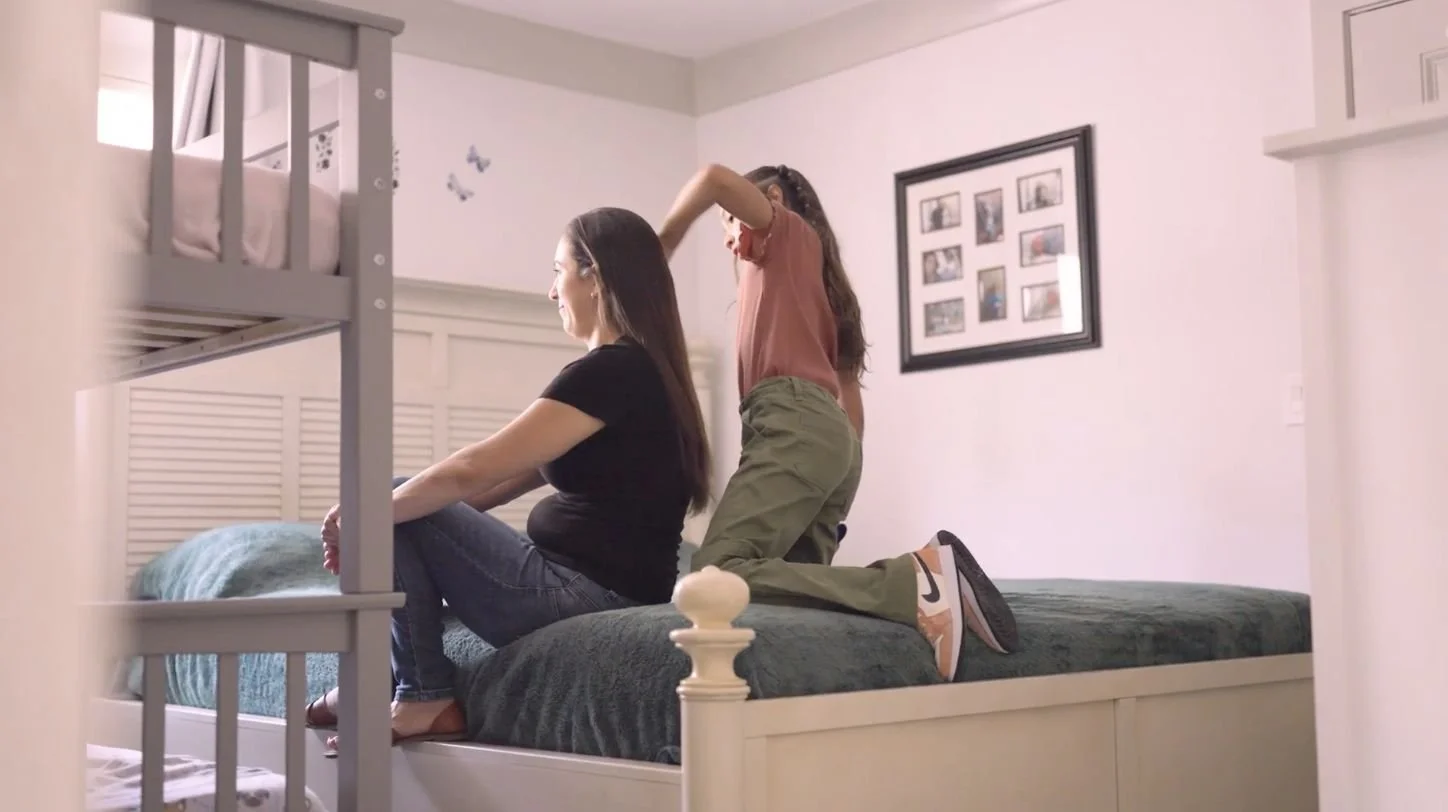
“I know sometimes you feel like you can't trust anybody. We just want you to know that you're not alone.”
Ana
Mentor Parent at DAC

LATEST UPDATES




FREQUENTLY ASKED QUESTIONS
-
The public narrative often assumes that parents involved in child welfare are violent or malicious. The data tells a different story.
Nationally, physical abuse accounts for a small percentage of removals. The majority of cases involve allegations of neglect, which are frequently connected to poverty, housing instability, substance use, or untreated mental health needs. Most families come to the attention of the system because they lack resources, not because they intend to harm their children.
Most parents in these cases are navigating overlapping stressors. DAC’s own data shows that many clients are struggling with substance use, intimate partner violence, mental health challenges, or economic insecurity. These conditions are complex and often rooted in trauma or structural barriers.
Parents can love their children deeply and still need support. Research on peer advocacy and interdisciplinary representation shows that when families are treated with dignity and provided with coordinated legal and social support, reunification rates improve and children remain safe.
The question at the center of this work is not whether parents are perfect. It is whether children are safer and healthier when families receive meaningful support instead of default separation. Evidence shows that in many cases, with the right interventions, they are.
-
Child welfare involvement is closely linked to poverty and unmet basic needs. National research shows that neglect is the most common reason families enter the system, and neglect is often defined by conditions such as housing instability, lack of childcare, food insecurity, or limited access to healthcare.
Families living in poverty are more likely to interact with public systems such as schools, hospitals, and social services. These institutions are mandated reporters. Increased contact means increased surveillance and a higher likelihood of investigation. Families with more resources are less likely to be reported for similar struggles.
Substance use and domestic violence are also shaped by structural stressors. Research shows higher rates of substance use disorders in communities experiencing economic disadvantage, unemployment, and limited access to treatment. Survivors of intimate partner violence often face housing instability and financial dependence, both of which can be interpreted as neglect within the child welfare framework.
Racial disparities compound these realities. Reports from the American Bar Association and other national bodies have identified poverty bias, exposure bias, and differential decision-making as factors contributing to disproportionate system involvement for families of color.
These patterns do not mean parents do not care about their children. They reflect how economic hardship, trauma, and limited access to services intersect with a system that often responds with investigation and removal rather than early support.
Understanding this context is essential to designing responses that strengthen families and protect children at the same time.
-
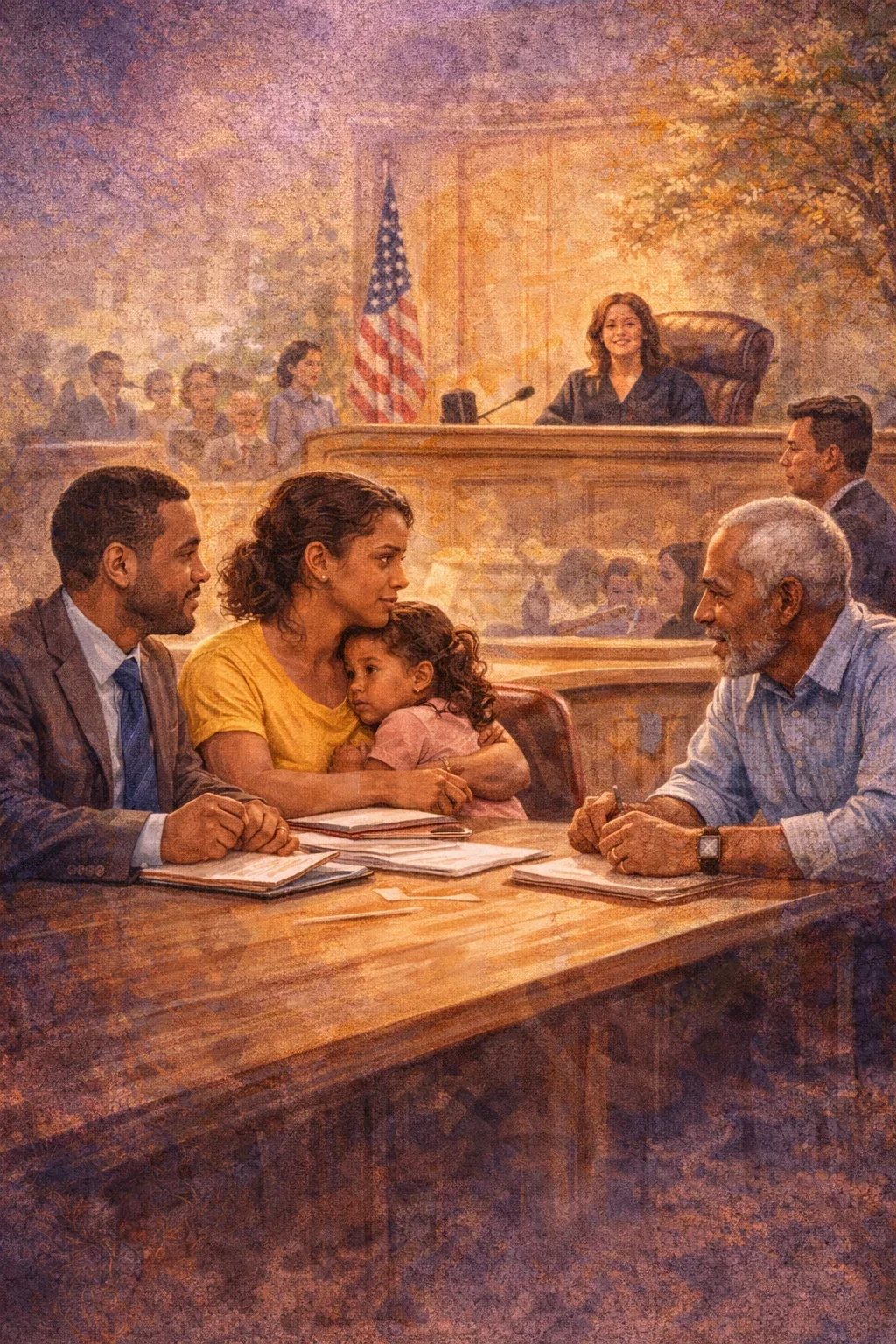
In California, parents have a right to counsel in child welfare cases, despite the state not fully funding high quality representation. Child welfare proceedings are legal cases with permanent consequences. Termination of parental rights has been described as the civil death penalty because it permanently severs the legal relationship between parent and child. Parents face court hearings, legally binding case plans, and strict timelines. High-quality legal representation ensures due process and meaningful participation in decisions that shape a child’s future.